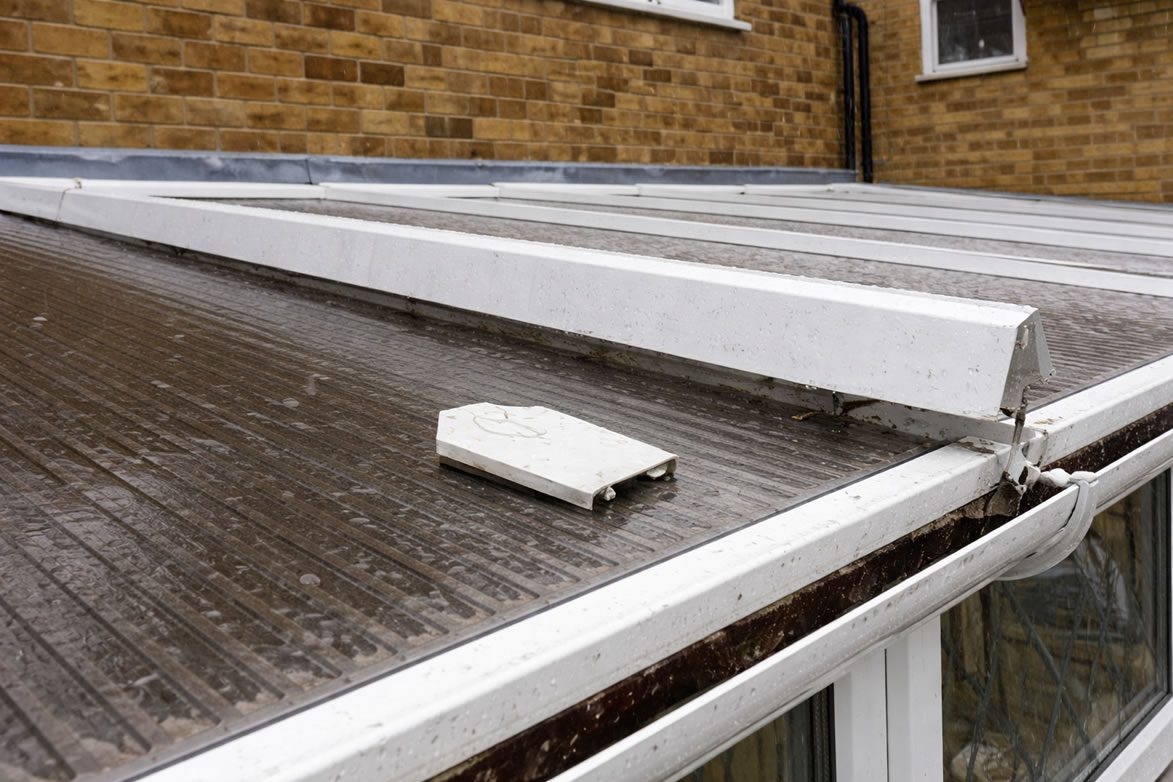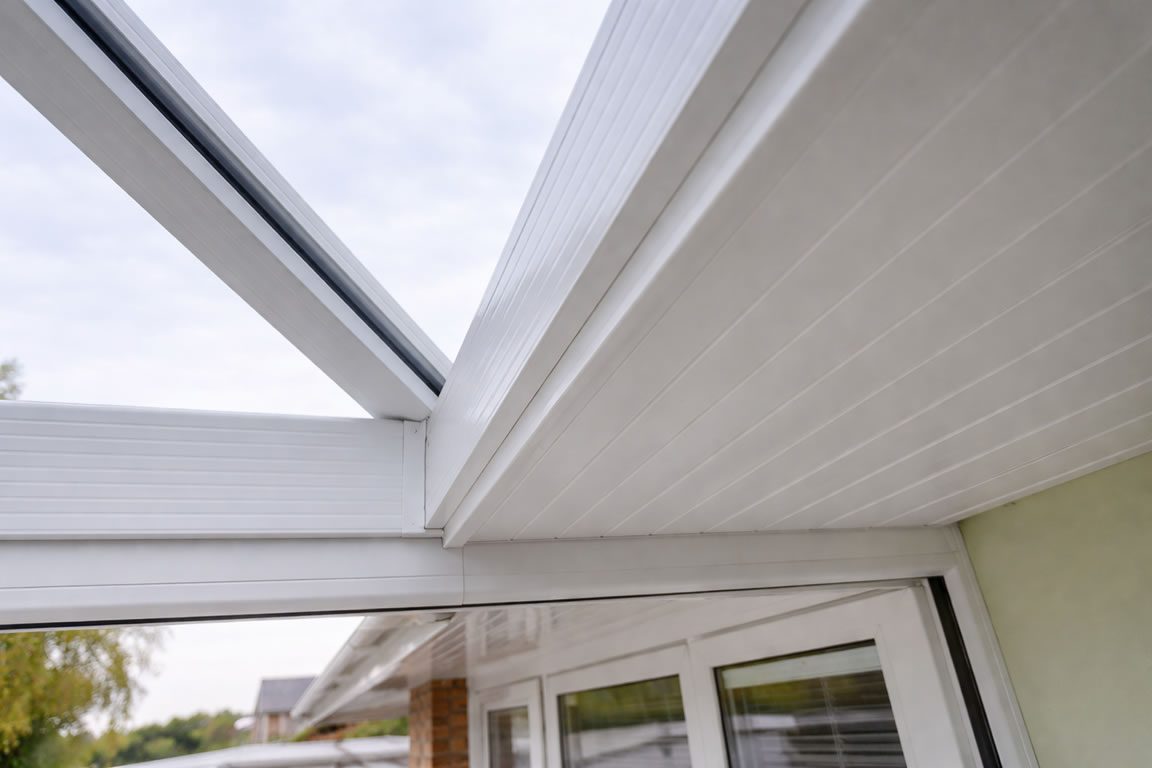


When a conservatory roof starts leaking, many homeowners look for a quick temporary fix to stop water coming in. That reaction is understandable—especially during heavy rain or storms. However, while some short-term measures reduce dripping, they rarely solve the real problem.
In fact, temporary fixes often delay proper repairs and can even make the situation worse. Knowing what works briefly—and why it fails—helps you avoid wasted time and money.
Why Homeowners Try Temporary Conservatory Roof Fixes
Leaks often appear suddenly, usually during bad weather. As a result, homeowners want something that:
- Stops water immediately
- Doesn’t require specialist tools
- Costs very little
- Can be done quickly
Unfortunately, conservatory roofs rely on precise drainage, seals and movement allowances. Temporary fixes usually ignore these factors.
Common Temporary Fixes Homeowners Try
1. Applying Silicone Sealant Over the Leak
Silicone sealant is one of the most common quick fixes. Homeowners apply it along glazing bars, joints or visible gaps.
Why it seems to work:
Silicone blocks water for a short time.
Why it doesn’t last:
- Water often enters elsewhere and travels underneath
- Silicone cracks as the roof expands and contracts
- It traps moisture inside joints
- It hides the real cause of the leak
As a result, leaks usually return—often worse than before.
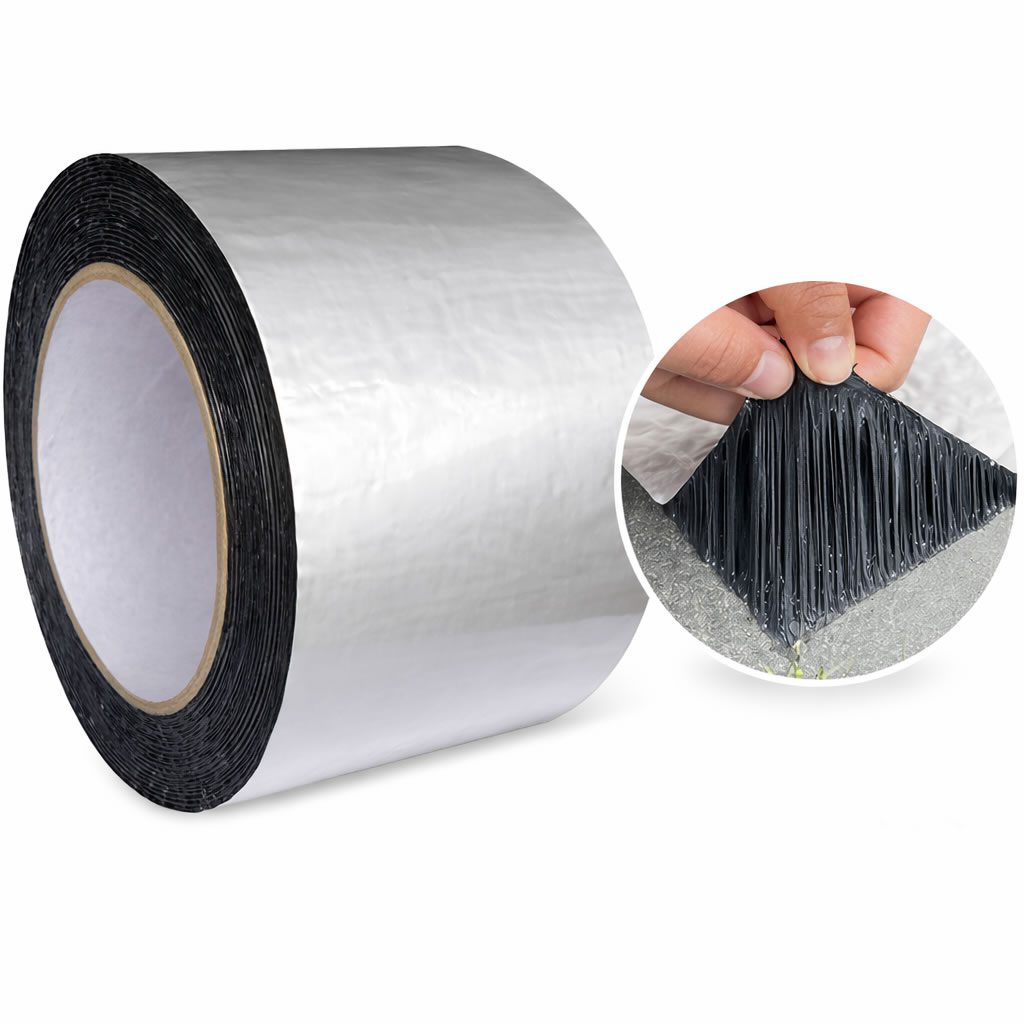
2. Repair Tape or Waterproof Flashing Tape
Specialist tapes are marketed as instant waterproof solutions.
Why it seems to work:
Tape temporarily seals small cracks or seams.
Why it doesn’t last:
- UV exposure weakens adhesive
- Tape peels during temperature changes
- Water builds up underneath
- It rarely adheres well to aged polycarbonate
This method almost always fails within weeks or months.
3. Temporary Covers or Tarpaulins
Some homeowners place plastic sheets, tarpaulins or boards over the roof.
Why it seems to work:
It diverts rainwater away from the leak.
Why it doesn’t last:
- Wind dislodges coverings
- Water pools and increases pressure
- It blocks proper drainage
- It can damage roof panels
This option also poses safety risks, especially in high winds.
4. Clearing Gutters as a “Fix”
Blocked guttering can cause overflow, so clearing it sometimes reduces leaks.
Why it sometimes helps:
Overflow water no longer floods roof joints.
Why it doesn’t always last:
- Underlying seal or flashing issues remain
- Gutters quickly block again
- Other roof faults still allow water in
Gutter cleaning helps—but only when guttering caused the leak in the first place.
5. DIY Sealants and Expanding Foams
Some homeowners use expanding foam or non-roof-grade fillers.
Why it seems to work:
It fills gaps quickly.
Why it fails badly:
- It expands unpredictably
- It cracks when cured
- It blocks drainage paths
- It damages roof components
This approach often makes professional repair harder later.
Why Temporary Fixes Fail on Conservatory Roofs
Conservatory roofs must:
- Expand and contract with temperature
- Drain water in specific directions
- Remain flexible at joints
- Prevent trapped moisture
Temporary fixes usually make the roof less flexible, not more. Consequently, leaks reappear once weather conditions change.
Problems Temporary Fixes Can Cause
Delaying proper repair often leads to:
- Repeated leaks
- Hidden water damage
- Rot in timber frames
- Corrosion in fixings
- Mould growth
- Higher repair costs later
Therefore, what starts as a cheap fix can become expensive.
What Actually Fixes a Leaking Conservatory Roof?
The correct solution depends on the real cause of the leak.
| Cause | Proper Fix |
|---|---|
| Failed seals | Resealing or joint replacement |
| Cracked panels | Panel replacement |
| Flashing failure | Flashing repair or upgrade |
| Blocked gutters | Gutter repair or realignment |
| Poor roof pitch | Structural correction or replacement |
A professional inspection identifies the issue accurately.
When Is a Temporary Fix Acceptable?
Temporary measures only make sense when:
- You need to stop water briefly before a booked repair
- Weather prevents immediate professional work
- You understand it’s not a permanent solution
Even then, temporary fixes should last days—not months.
Repair or Replace Instead of Repeating Temporary Fixes
If leaks keep returning despite sealant and tape, the roof likely needs:
- Targeted professional repair, or
- Partial or full roof replacement
Continuing temporary fixes usually costs more in the long run.
What Should You Do Next?
If your conservatory roof is leaking:
- Catch or divert water safely indoors
- Avoid permanent DIY sealing
- Arrange a professional inspection
- Compare repair and replacement options
This approach protects both your conservatory and your home.
Get Proper Help for a Leaking Conservatory Roof
Temporary fixes rarely last. A proper repair stops the leak, protects the structure and restores comfort.
👉 Get free, no-obligation quotes from local conservatory repair specialists
Frequently Asked Questions: Temporary Conservatory Roof Leak Fixes
What’s the best temporary fix for a leaking conservatory roof?
If you need a short-term solution, safely collect water indoors and clear guttering if it’s overflowing. Avoid sealing everything with silicone because it often traps moisture and hides the real cause.
How long does silicone sealant last on a conservatory roof?
It varies, but many silicone “patch” repairs fail quickly because the roof expands and contracts. In addition, water can travel underneath and reappear elsewhere.
Does waterproof tape work on polycarbonate roof panels?
Sometimes briefly. However, UV light, temperature changes and aged surfaces often cause tape to peel or lift, especially on older polycarbonate.
Can a tarpaulin stop a conservatory roof leak?
It can divert rainwater for a short time. However, wind can dislodge it, and pooling water can increase pressure on joints and panels.
Why does the leak move after I seal one area?
Water often enters at one point and travels along glazing bars or frames before dripping elsewhere. Therefore, sealing the drip point may not seal the entry point.
Do temporary fixes make professional repairs harder?
Yes, they can. Excess sealant, foam or tape may block drainage paths, trap moisture and increase labour time, which can raise repair costs.
When should I stop trying DIY fixes and call a specialist?
If the leak returns, appears in multiple places, or the roof is older and panels look brittle, arrange a professional inspection. You’ll usually save money by fixing the cause properly.