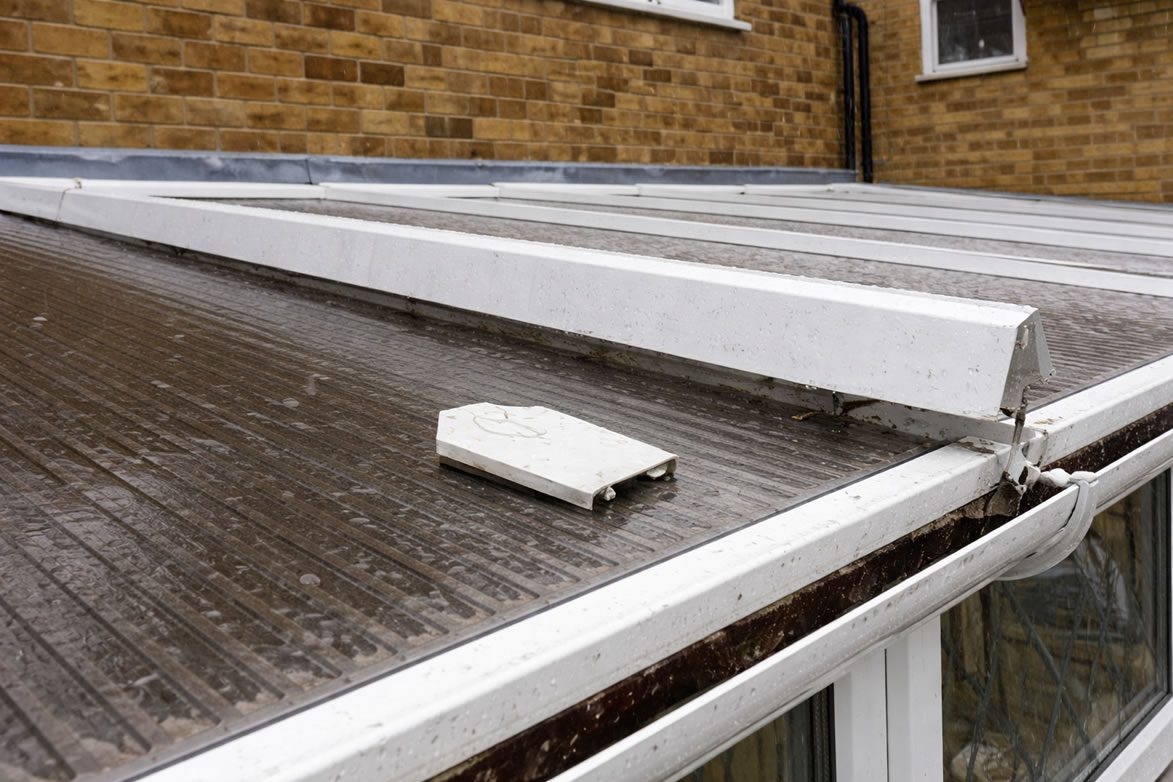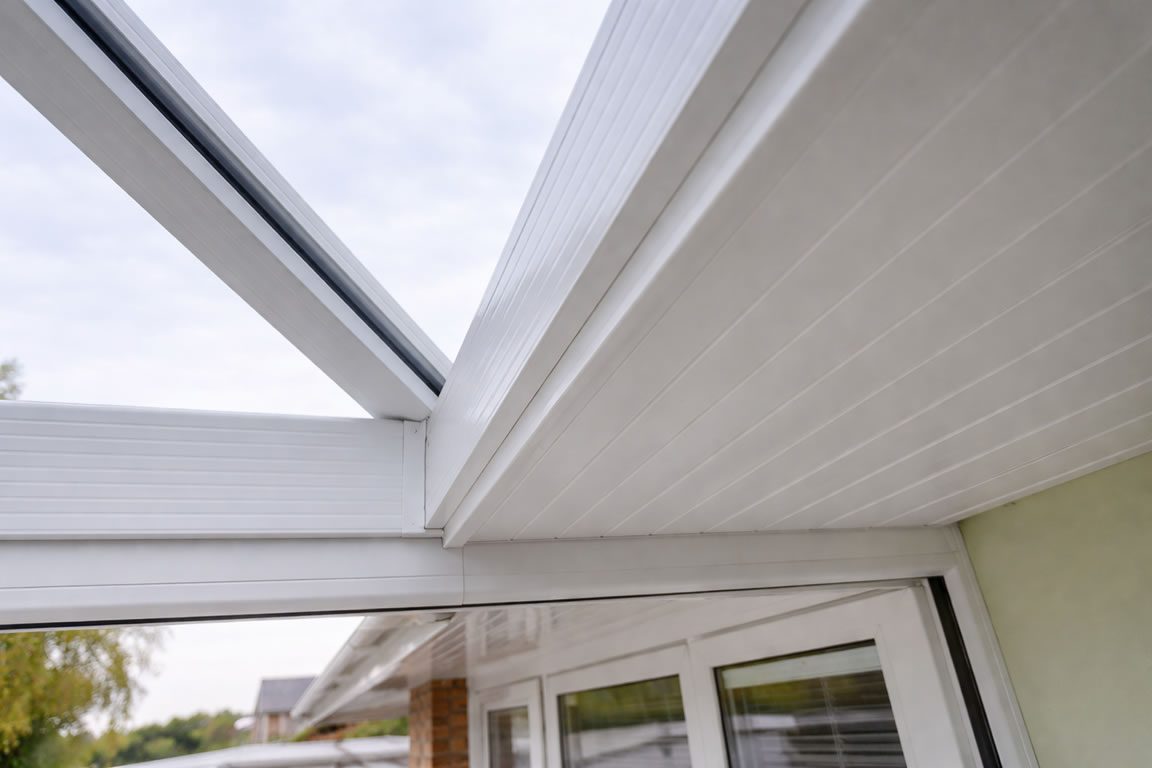

If your conservatory roof leaks near the house wall, flashing failure is one of the most common causes. Flashing sits at the point where the conservatory roof joins the main property, and its job is simple but critical: keep rainwater out.
Unfortunately, flashing problems often develop gradually. At first, leaks may only appear during heavy rain. Over time, however, they can become persistent and cause damage inside the home.
Understanding why conservatory flashing fails—and how professionals fix it properly—helps you avoid repeat leaks and unnecessary repairs.
What Is Conservatory Flashing?
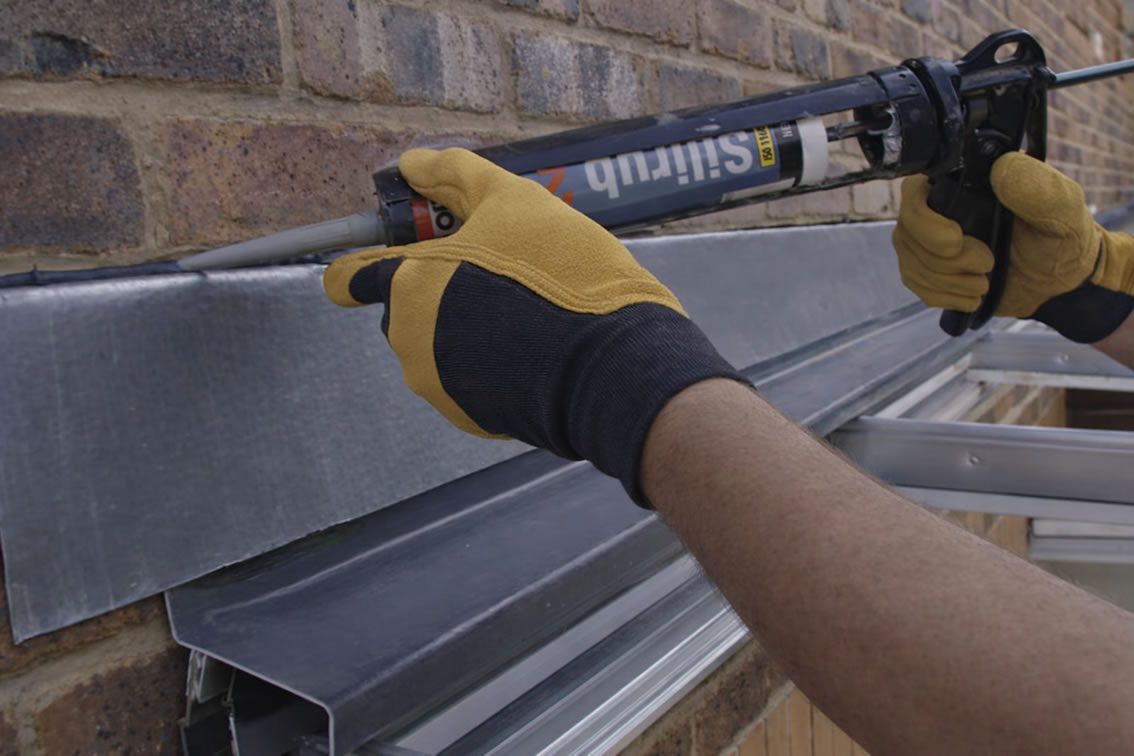
Conservatory flashing is the waterproof barrier installed where the conservatory roof meets the house wall. It usually consists of:
- Lead flashing
- Aluminium or uPVC flashing systems
- Sealant used alongside mechanical fixing
When installed correctly, flashing channels rainwater safely away from the joint and prevents it from tracking behind the roof.
Why Conservatory Flashing Commonly Fails
1. Poor Original Installation
Many conservatories were installed quickly using minimal flashing. In some cases, installers relied heavily on sealant instead of proper mechanical flashing.
As a result:
- Sealant cracks over time
- Water finds gaps behind the flashing
- Leaks appear during wind-driven rain
This is especially common on older conservatories.
2. Natural Movement Between the House and Conservatory
Houses and conservatories expand and contract at different rates. Over time, this movement stresses flashing joints.
Consequently:
- Sealant splits
- Fixings loosen
- Flashing pulls away from the wall
Without flexibility built into the flashing system, leaks become inevitable.
3. Ageing and Weather Exposure
Flashing materials face constant exposure to:
- Rain and wind
- UV radiation
- Temperature changes
Over many years, even good-quality flashing can deteriorate. Lead may crack, aluminium may shift, and sealants dry out.
4. Incorrect Flashing Type
Some conservatories use inappropriate flashing materials for the roof style or wall type.
Common issues include:
- Flat flashing where stepped flashing is needed
- Incompatible materials causing movement or corrosion
- Flashing installed without adequate overlap
These mistakes often cause leaks that return repeatedly.
5. Blocked Guttering and Water Backflow
Blocked or poorly aligned guttering can force water back toward the flashing.
As water builds up, it:
- Overwhelms the flashing
- Finds weaknesses in joints
- Tracks behind the roof structure
Fixing flashing without addressing guttering can result in ongoing leaks.
Signs Your Conservatory Flashing Has Failed
Common warning signs include:
- Leaks near the house wall
- Damp patches above doors or windows
- Water staining on interior walls
- Leaks that worsen in heavy or windy rain
- Sealant visibly cracked or peeling
If leaks appear only at the house connection, flashing is a likely culprit.
Why DIY Flashing Repairs Rarely Work
Many homeowners attempt to fix flashing leaks with silicone sealant alone. While this may stop water briefly, it usually fails.
DIY fixes often:
- Trap moisture behind the flashing
- Crack as materials move
- Hide the real entry point of water
- Make professional repairs harder later
As a result, leaks often return within months.
How Conservatory Flashing Is Properly Fixed
A professional repair focuses on preventing water entry, not just sealing visible gaps.
Step 1: Full Inspection
Specialists assess:
- Roof pitch and connection
- Existing flashing type
- Wall condition
- Guttering and drainage
This ensures the repair addresses the real cause.
Step 2: Removing Failed Materials
Old sealant, damaged flashing and loose fixings are removed. This step is essential because new materials won’t bond properly otherwise.
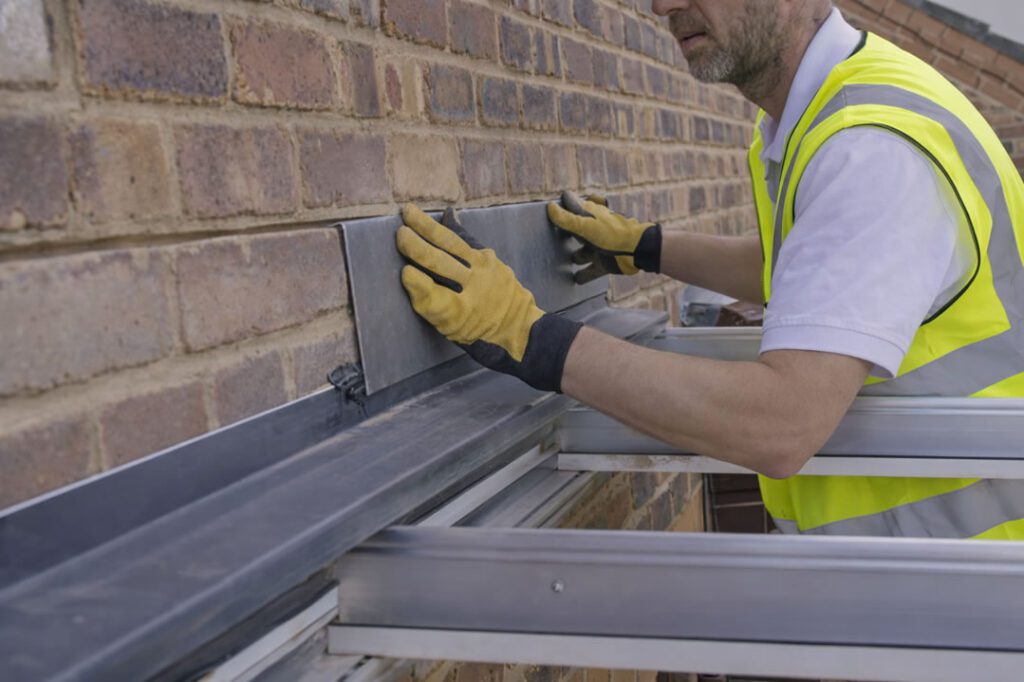
Step 3: Installing Correct Flashing
Professionals install:
- Lead or purpose-designed flashing systems
- Proper overlaps and upstands
- Mechanical fixings where required
This allows for movement while maintaining a watertight seal.
Step 4: Controlled Sealing and Finishing
Sealant is used only where necessary, supporting the flashing rather than replacing it.
Step 5: Testing and Final Checks
The repair is tested under controlled conditions to ensure water drains correctly and no leaks remain.
Repair vs Replace: When Is Replacement Necessary?
Flashing repair is usually sufficient when:
- The roof structure is sound
- The issue is localised
- Materials are otherwise in good condition
However, replacement may be better if:
- Flashing has failed repeatedly
- The roof is near end-of-life
- Multiple leaks appear across the roof
A professional assessment helps you decide.
How Much Does Conservatory Flashing Repair Cost?
Typical UK costs (guide only):
| Work Type | Typical Cost (excl. VAT) |
|---|---|
| Minor flashing repair | £200 – £400 |
| Full flashing replacement | £400 – £900 |
| Flashing + guttering work | £600 – £1,200 |
Costs vary based on access, roof size and materials.
Preventing Future Flashing Failures
To extend flashing lifespan:
- Keep guttering clear
- Address small leaks early
- Avoid repeated DIY sealant fixes
- Arrange periodic inspections
Early action usually costs far less than water damage repairs.
Get Professional Help with Conservatory Flashing Repairs
Flashing failures rarely fix themselves. A proper repair stops leaks at the source and protects both your conservatory and home.
👉 Get free, no-obligation quotes from local conservatory repair specialists
Frequently Asked Questions: Conservatory Flashing Failures
What is conservatory flashing and why is it important?
Conservatory flashing seals the joint where the conservatory roof meets the house wall. It channels rainwater away from the connection and prevents water tracking behind the roof.
Why does conservatory flashing fail over time?
Flashing fails due to poor original installation, natural movement between the house and conservatory, ageing materials, UV exposure and cracked sealant.
Is silicone sealant enough to fix flashing leaks?
No. Silicone alone rarely lasts because roofs move with temperature changes. It can also trap moisture and hide the true entry point of water.
How can I tell if the leak is caused by flashing?
If leaks appear near the house wall, above doors or windows, or only during wind-driven rain, flashing is a common cause.
Can conservatory flashing be repaired without replacing the roof?
Yes. In many cases, specialists repair or replace flashing without touching the rest of the roof, provided the structure remains sound.
How long does a proper flashing repair last?
A professionally installed flashing repair can last 10–20 years or more, depending on materials and exposure.
How much does conservatory flashing repair cost in the UK?
Minor repairs often start around £200–£400, while full flashing replacement can cost £400–£900+, depending on access and materials.